Interior Design. Unity of Interior and Exterior Space
Interior Design. Unity of Interior and Exterior Space
Interior design is not just about creating a beautiful and functional space but also an essential architectural task that requires a harmonious combination of the building’s exterior and its interior structure. While the exterior architecture reflects the building’s purpose and structure, the interior is a more intimate and detailed environment that demands special attention to scale, materials, and lighting solutions.
Harmony Between Exterior and Interior
When transitioning from the street to the interior space, it is crucial to ensure a smooth transition between external and internal architectural elements. This can be achieved through:
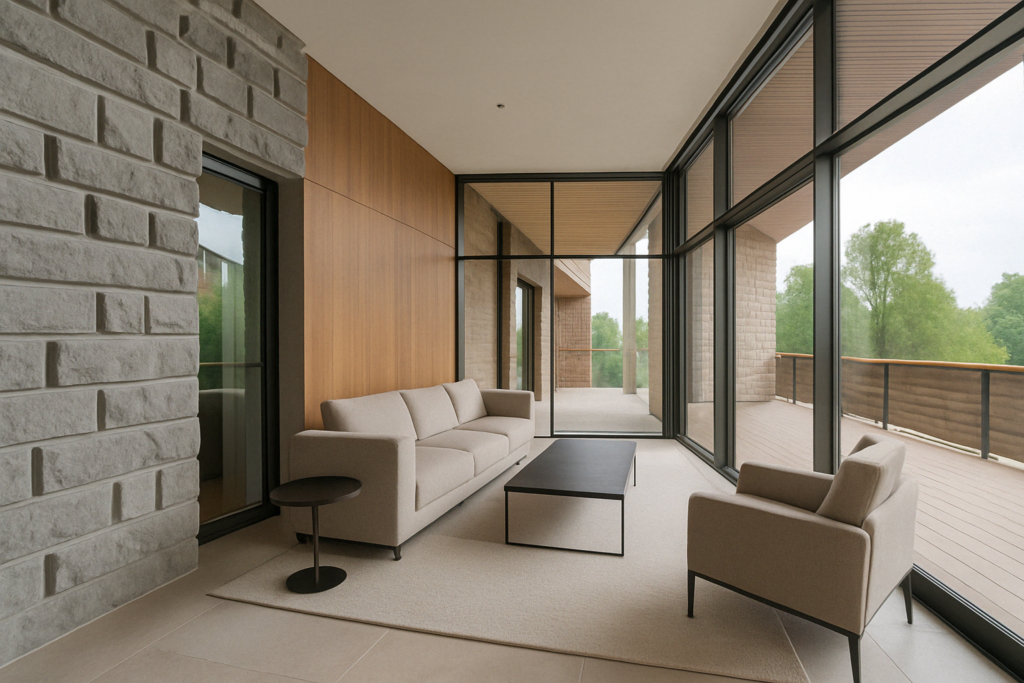
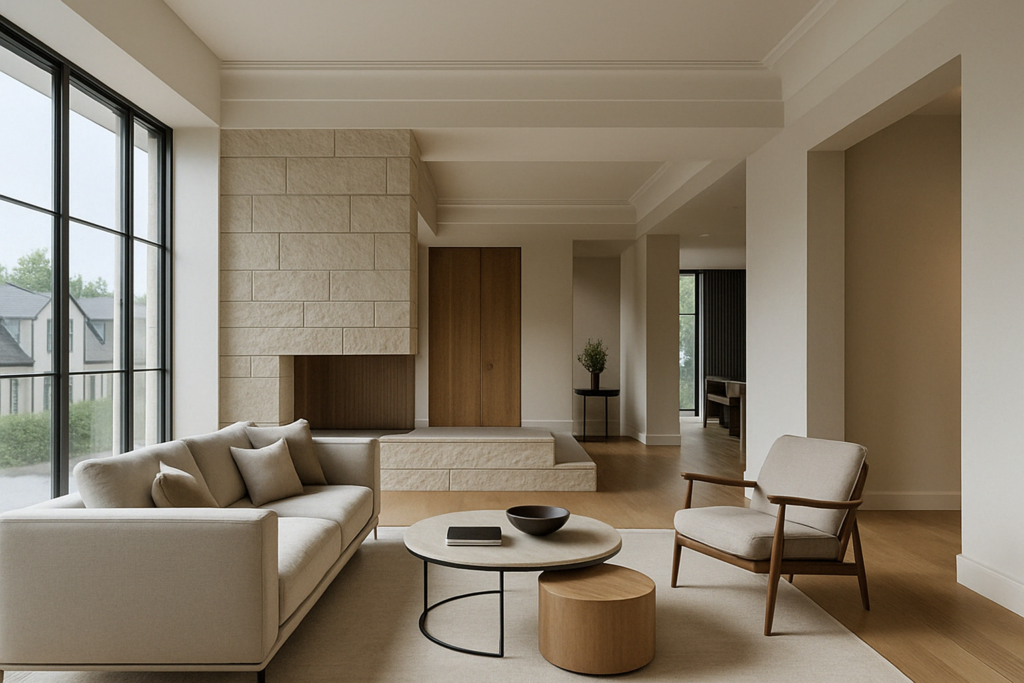
Repeating facade elements in the interior, such as rusticated walls in the lobby with a more refined finish. Contrast-based solutions, where the exterior and interior are intentionally different, creating a striking visual effect. Transitional spaces, such as loggias, verandas, terraces, and balconies, which provide a gradual shift from open to enclosed areas. Glass facades, which integrate the interior into the overall architectural composition.
Key Aspects of Interior Design
Functional zoning – efficient space organization. Lighting – a balance between natural and artificial light. Materials and textures – a combination of sustainability and aesthetics. Windows and door openings – ensuring comfort and adequate illumination. Furniture and decor – aligning with both style and functionality.
A well-designed interior is a fusion of aesthetics, comfort, and unity with the building’s architectural character. The use of architectural techniques, thoughtful material selection, and attention to detail create a space where people feel comfortable living, working, and relaxing.